 TM
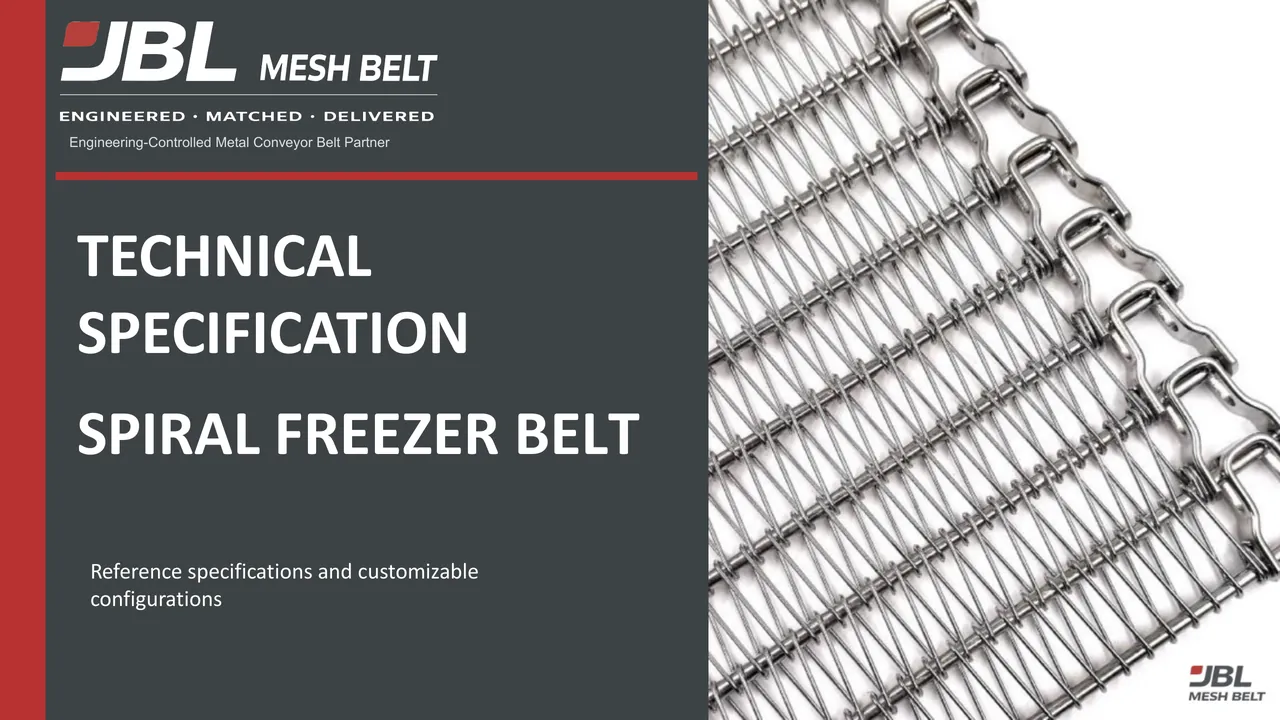
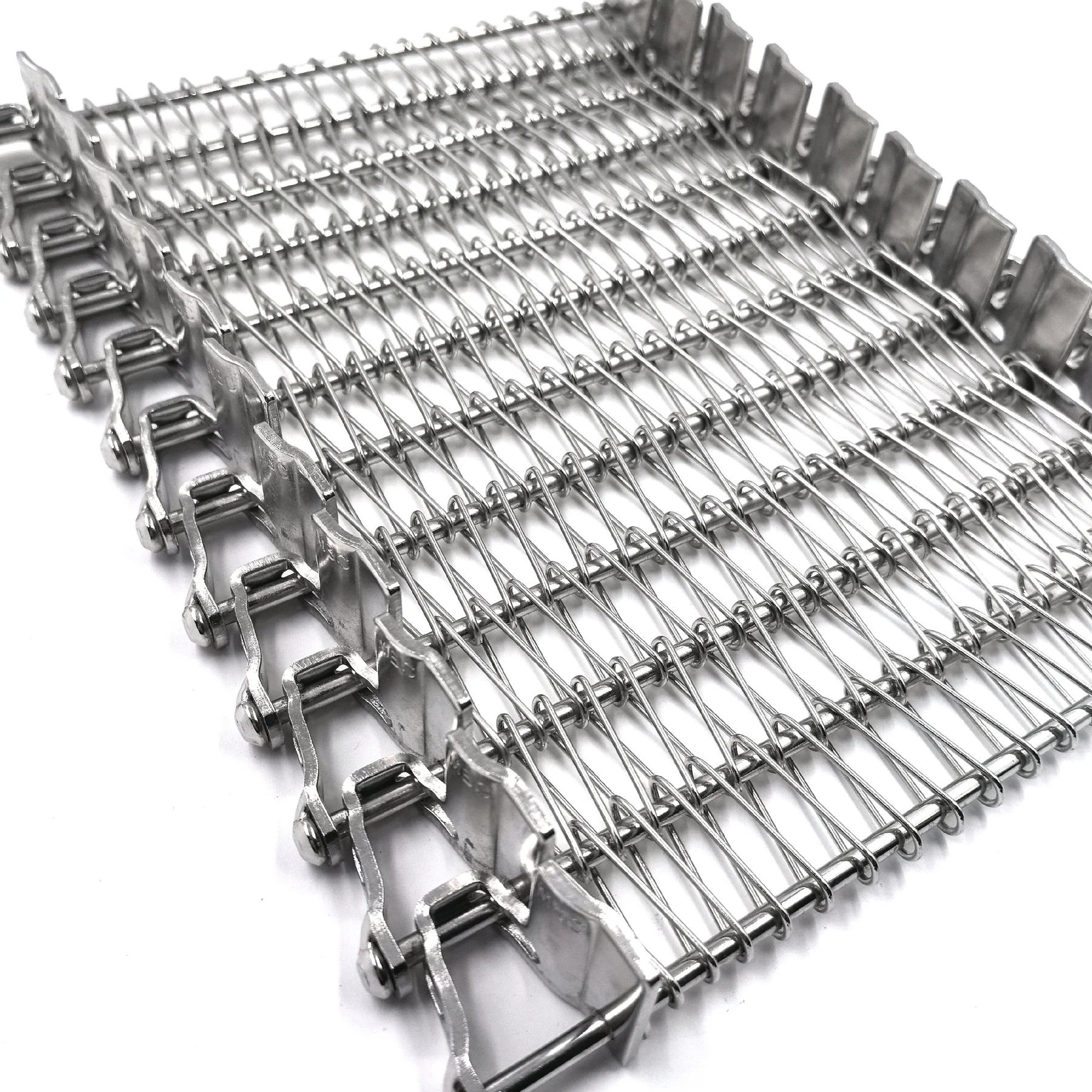
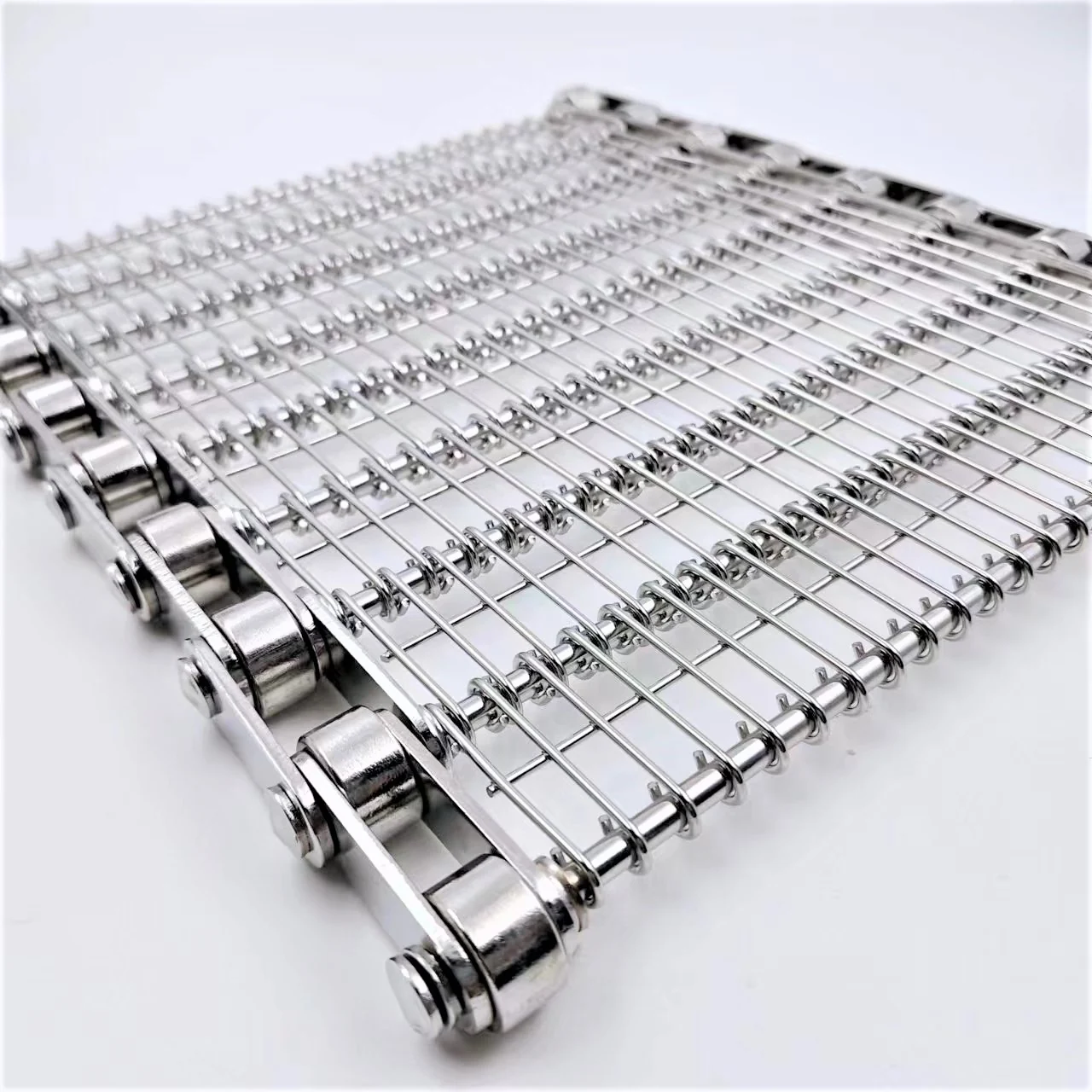
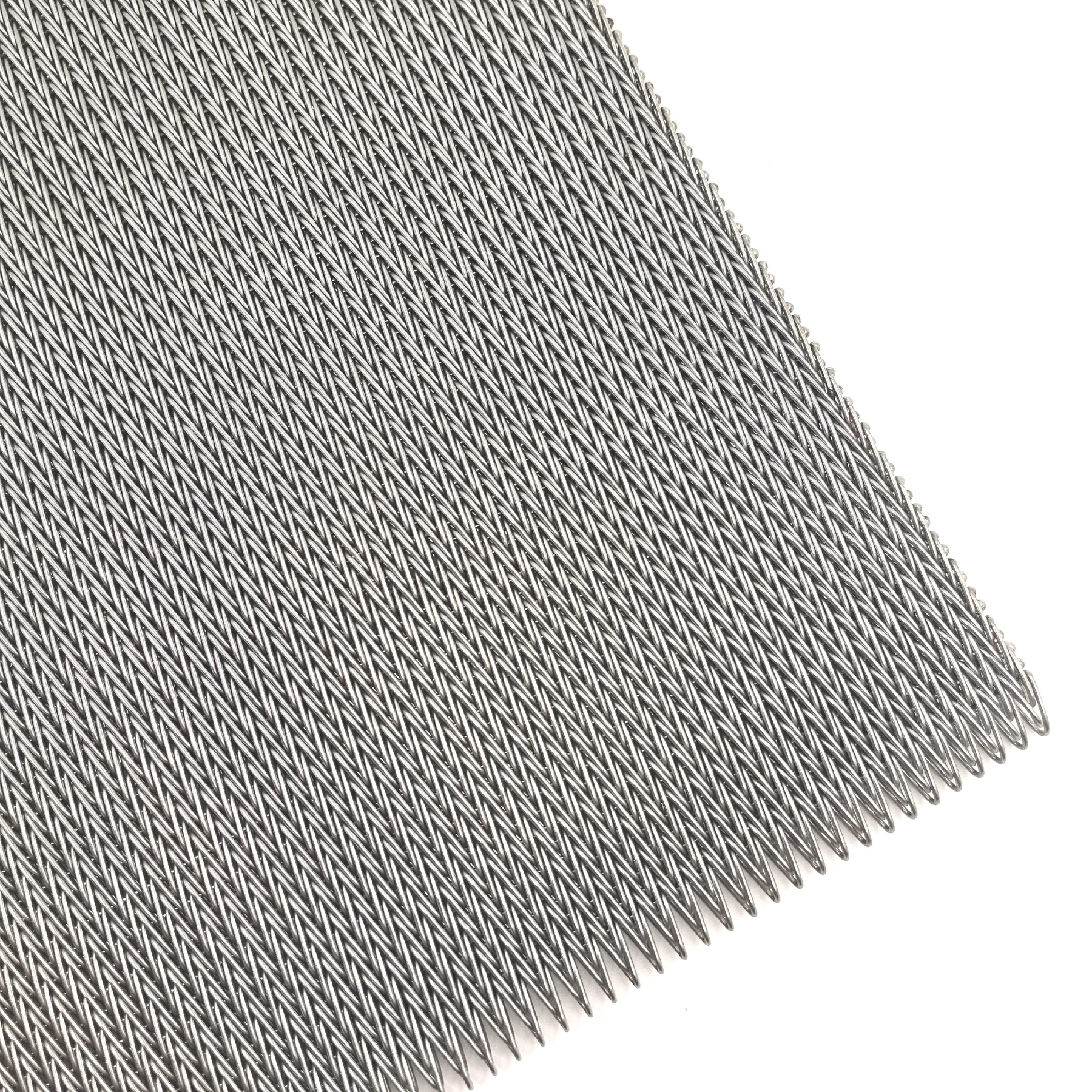
Spiral Freezer Belt
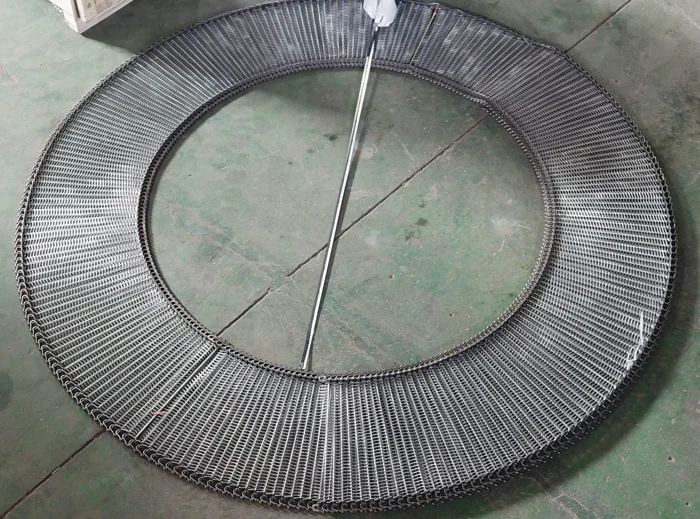
Used on spiral freezing, rapid-freezing and continuous cooling or freezing systems.
Review belt structure, turning conditions, drive requirements and existing system information together.
Engineering-Controlled Metal Conveyor Belt Partner · JBL Mesh Belt
Spiral Freezer, Self-Stacking, Eye Link and nine more belt types with matching sprockets, made to your drawing or old belt — as in our Brazil Self-Stacking Belt project: 50 m trial, then 350 m.
Send a photo, drawing or your old belt size. We review it against your equipment before the specification is confirmed.
Belt Products
Start with the product family, then confirm structure, drive, critical dimensions, materials and operating conditions against your equipment.
TMUsed on spiral freezing, rapid-freezing and continuous cooling or freezing systems.
Review belt structure, turning conditions, drive requirements and existing system information together.
 TM
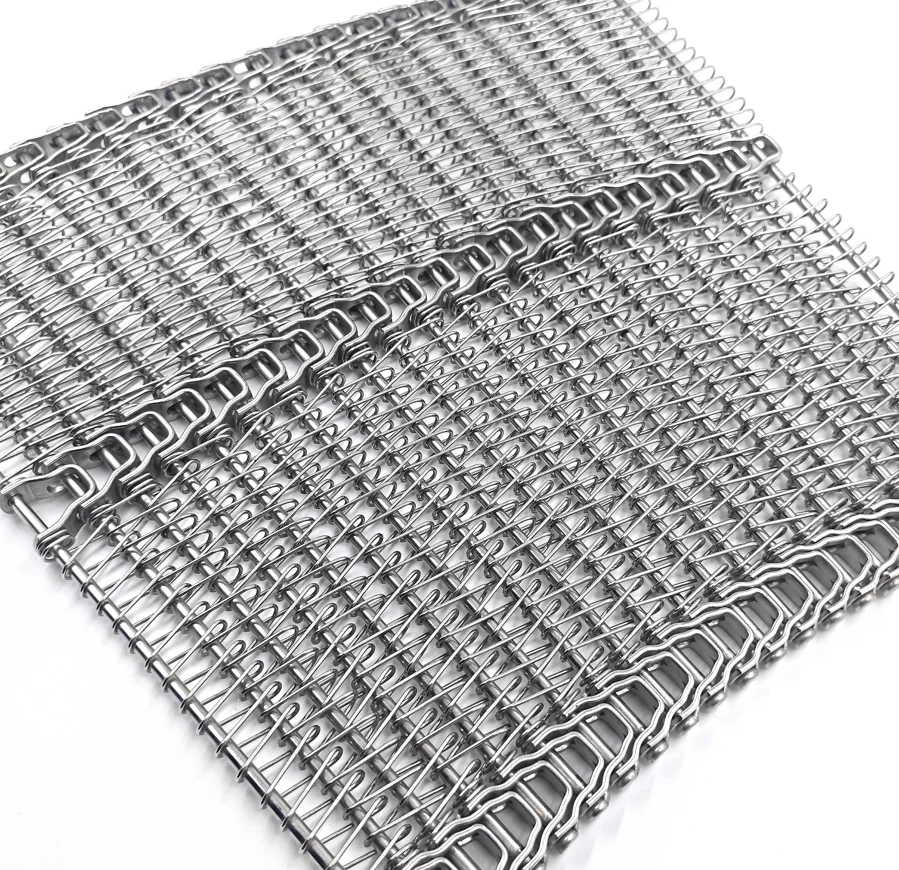
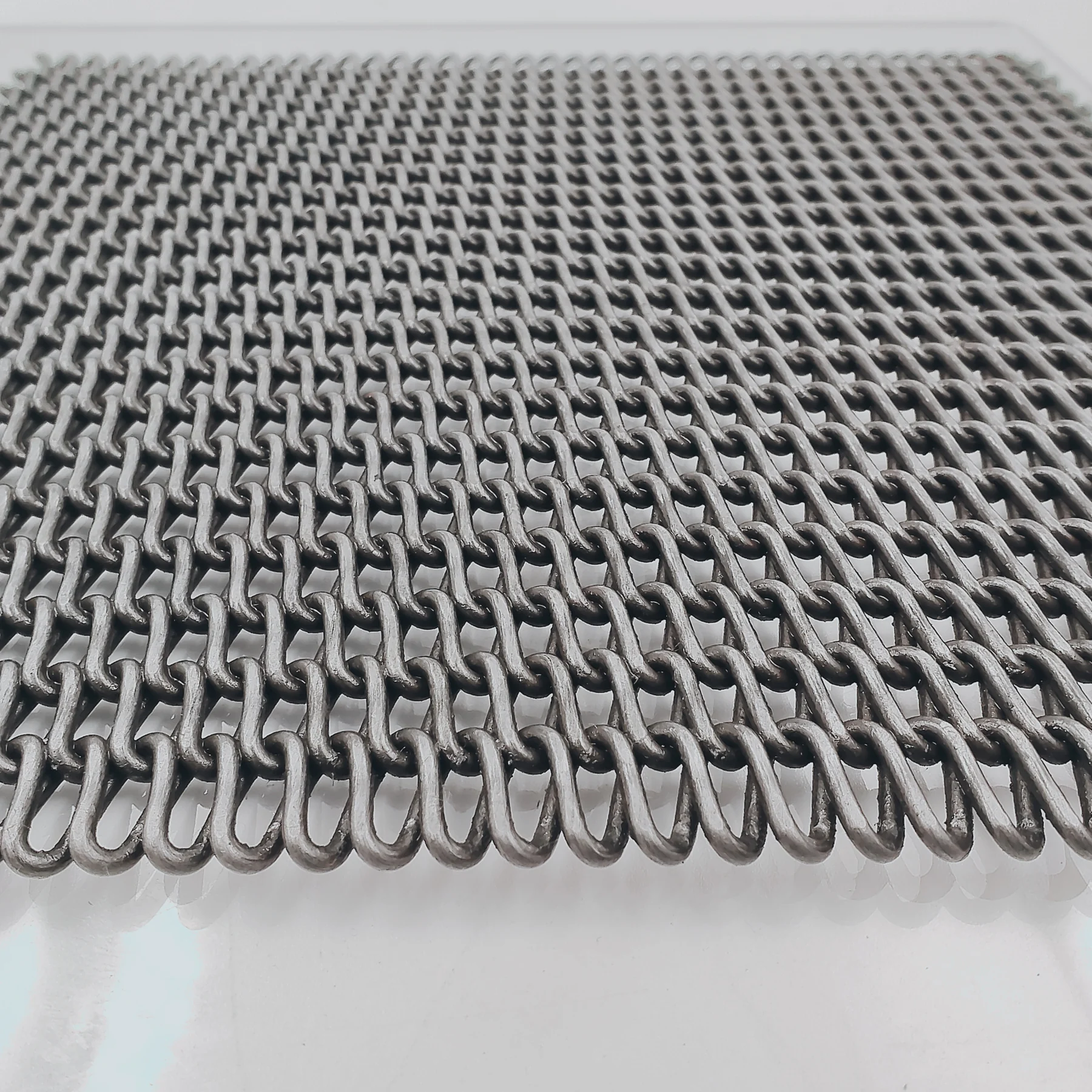
Used on spiral freezing and cooling systems with small-radius turning requirements.
Review turning geometry, belt width, pitch configuration and drive requirements as a separate equipment match.
 TM
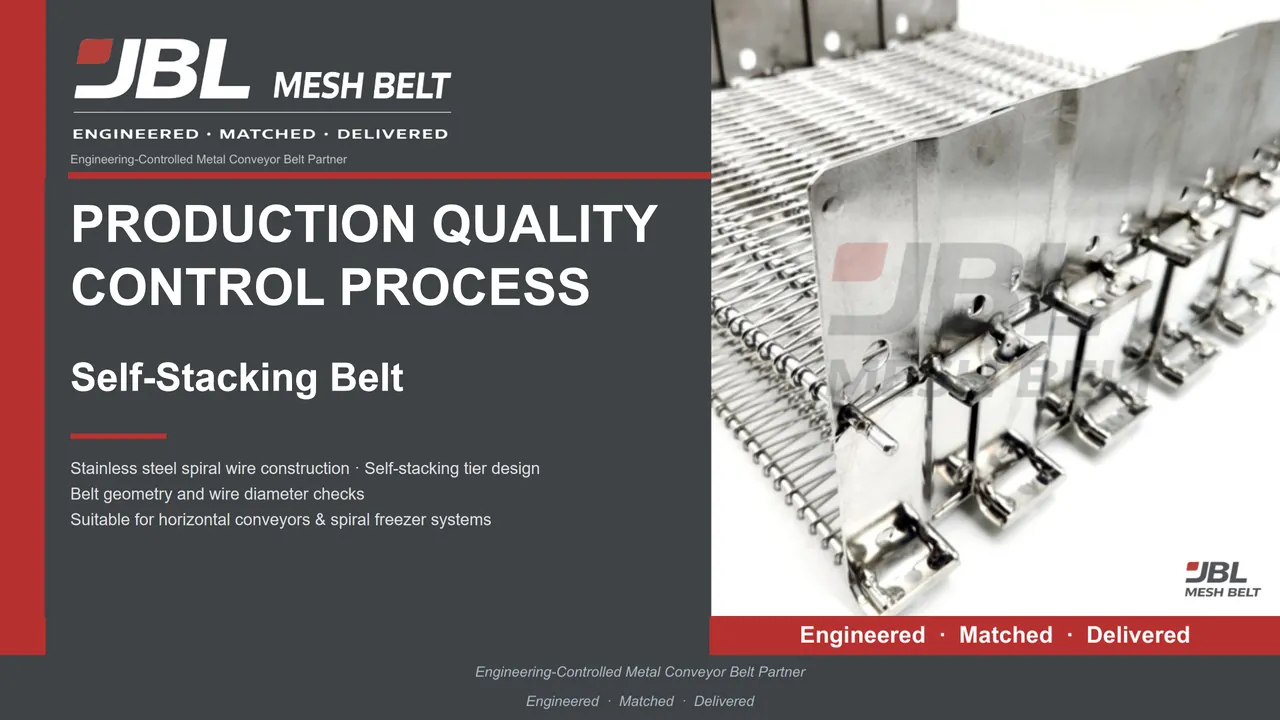
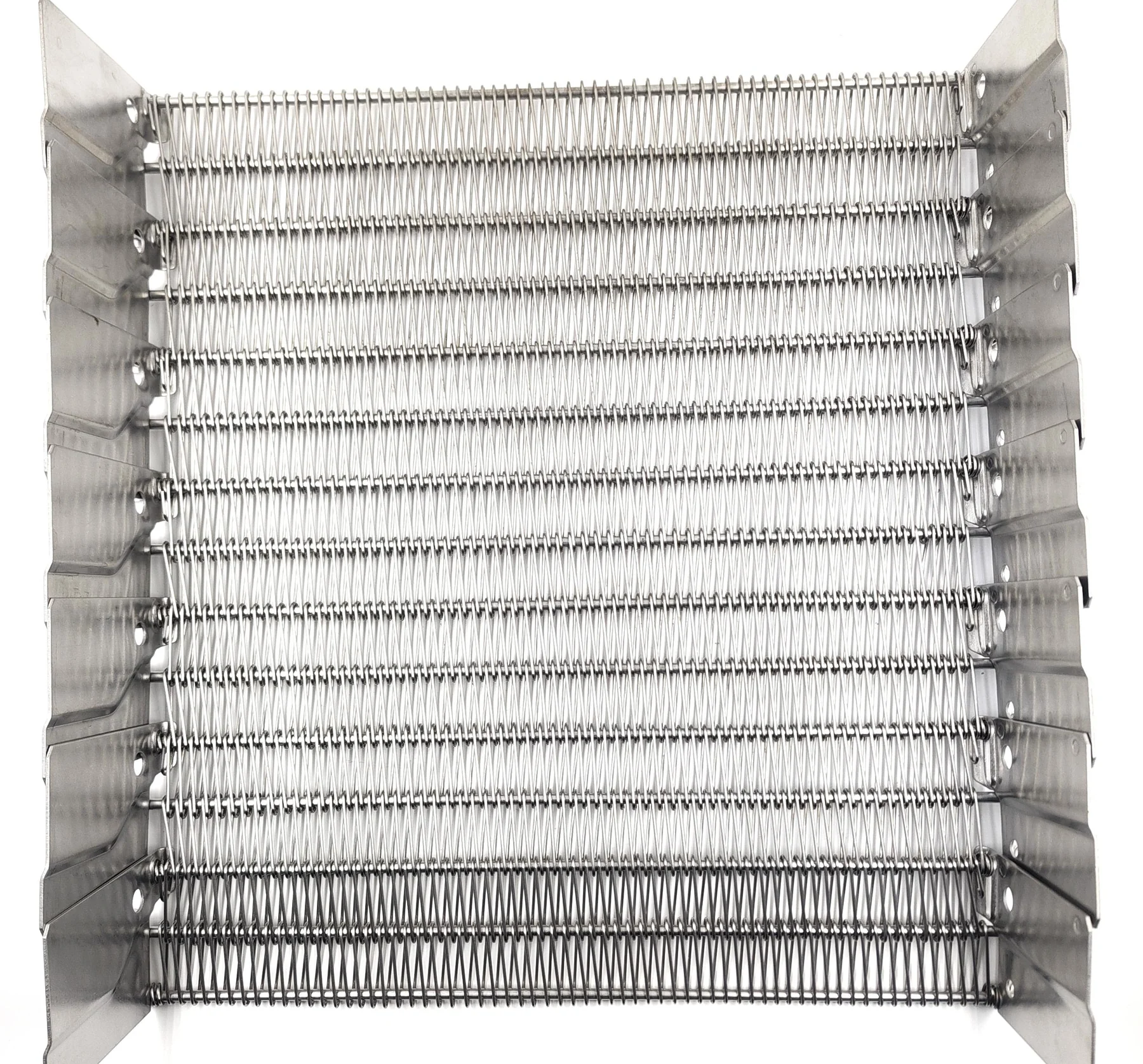
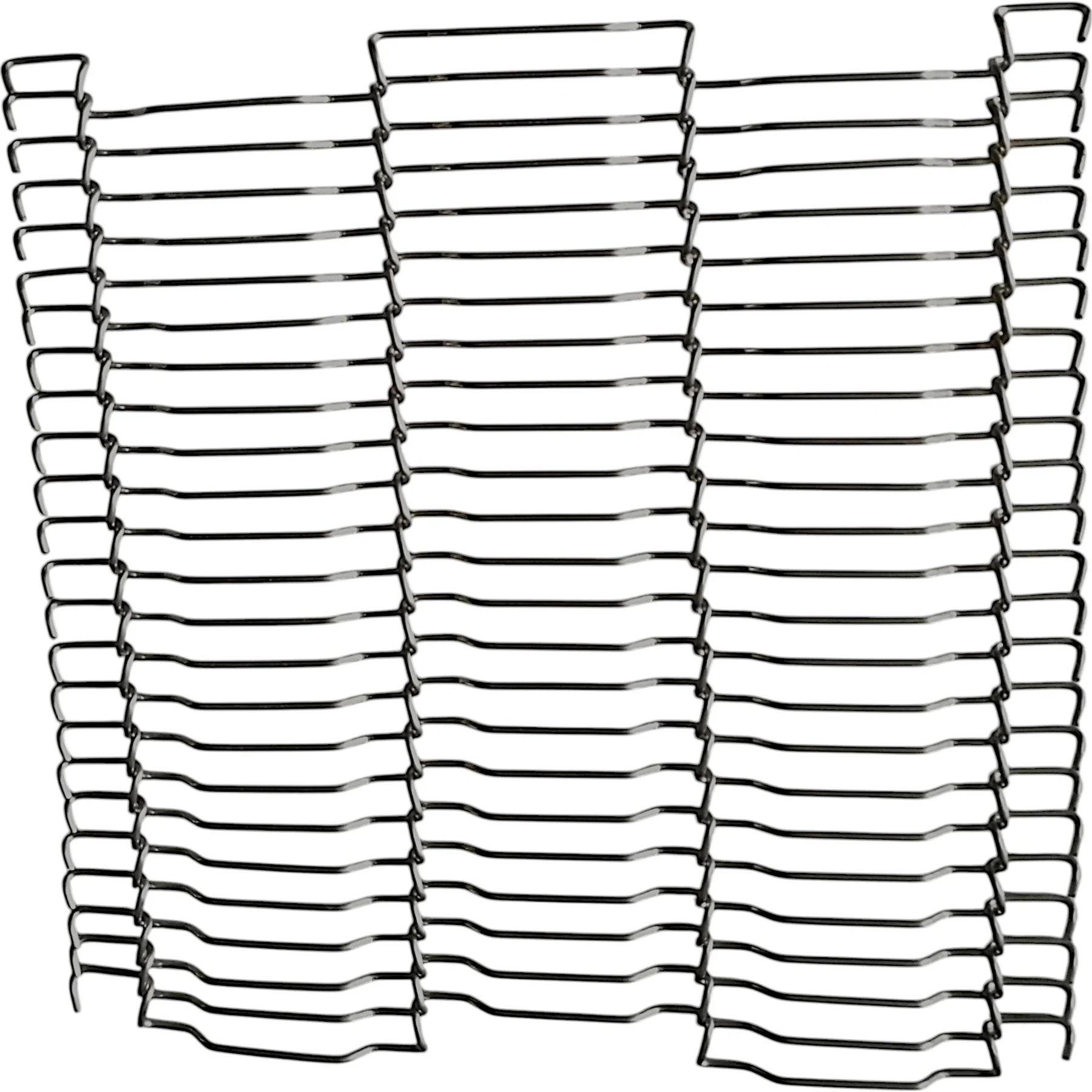
Used on stacking conveyor systems and existing-equipment replacement projects.
Check stacking engagement, clearances, running direction, side plates and critical dimensions before confirmation.
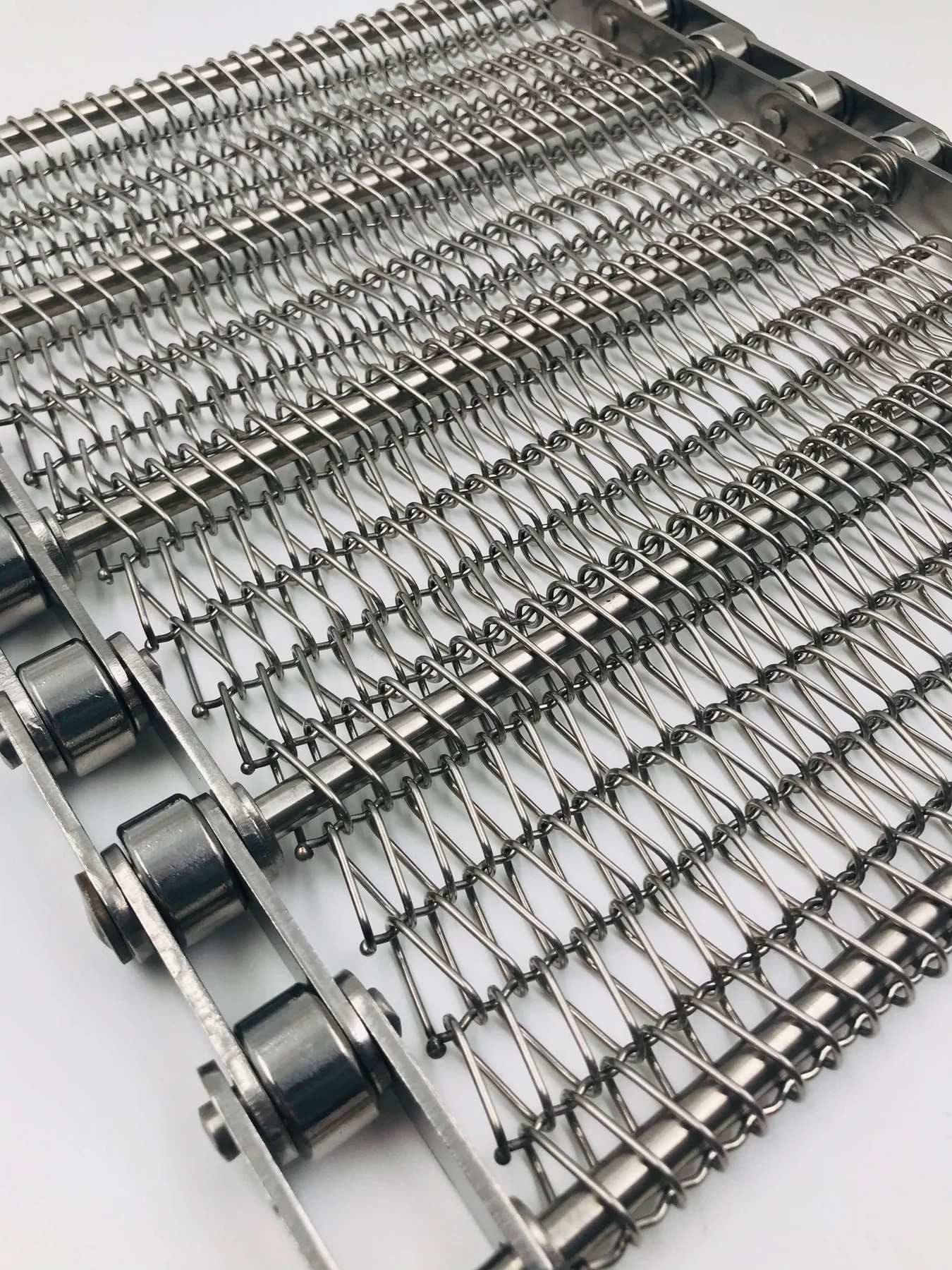
 TM
 TM
 TM
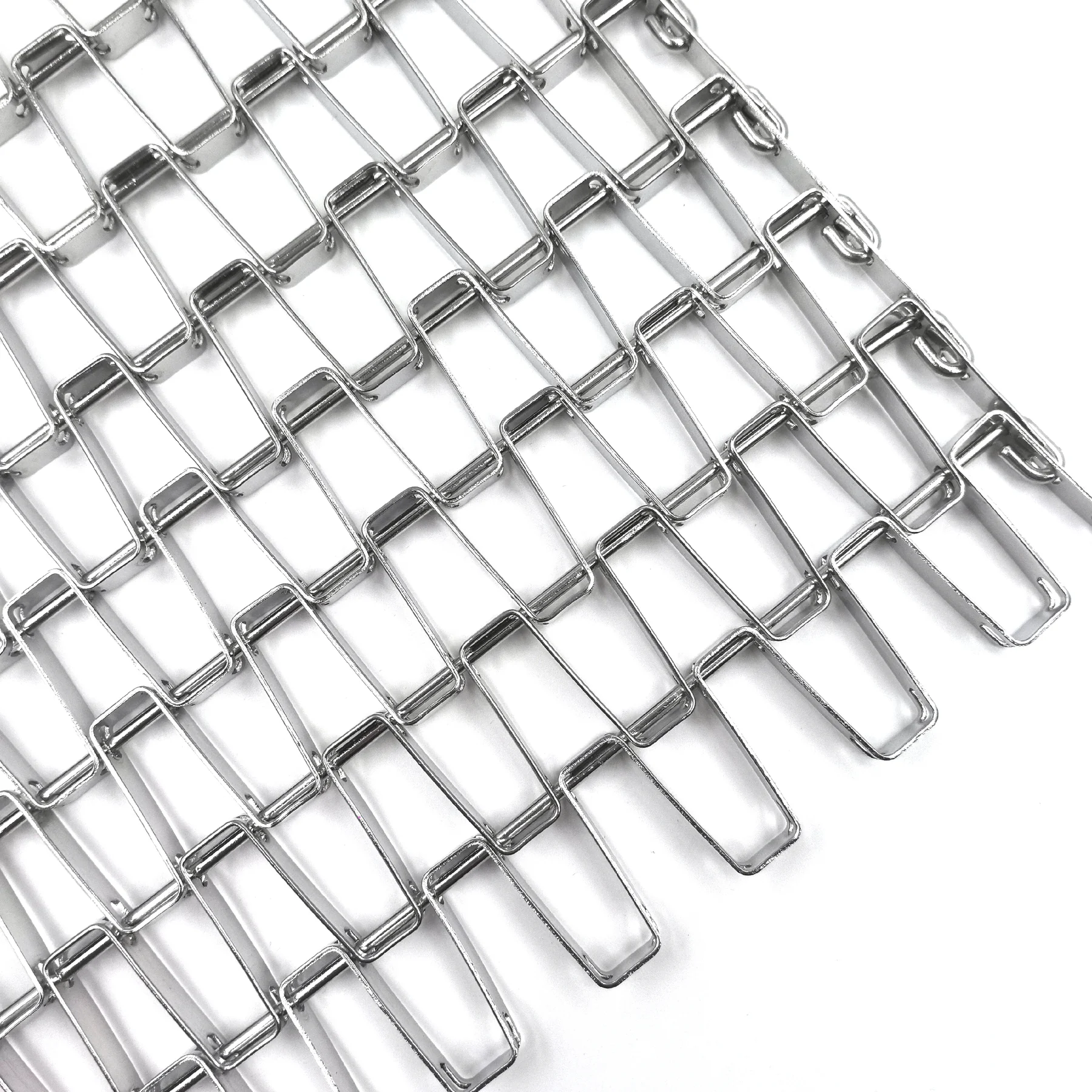 TM
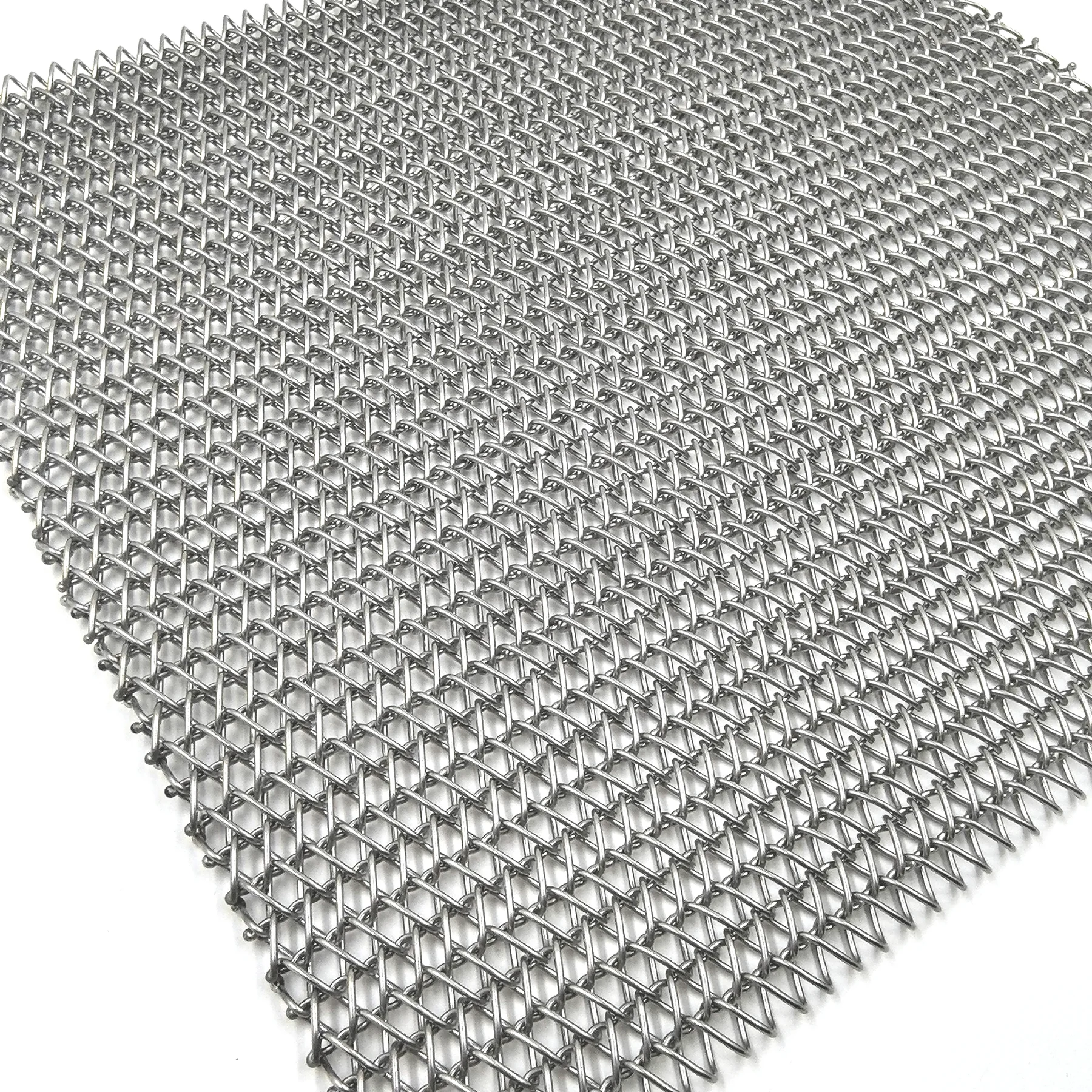 TM
 TM
 TM
 TM
 TM
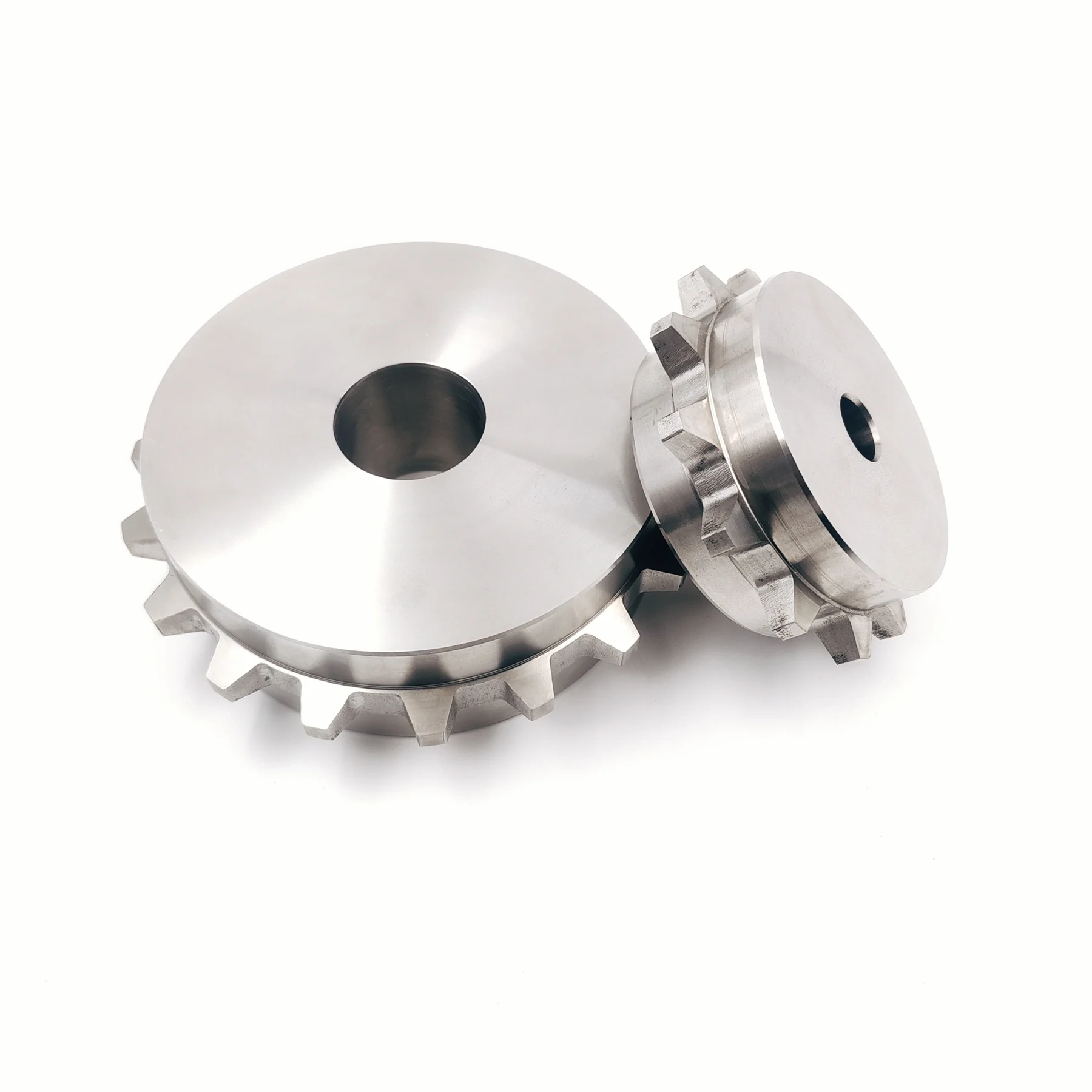 TM
Equipment Applications
Choose your equipment type to see which operating conditions and potential belt families should be reviewed before the specification is confirmed.
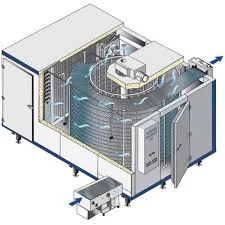 TM
We review drum geometry, turning conditions, running direction and drive engagement before the belt specification is confirmed.
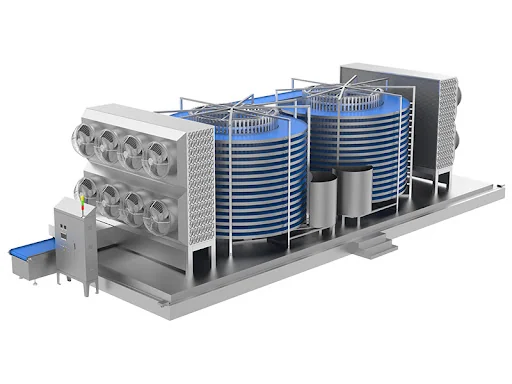 TM
Review spiral geometry, airflow, product load and drive arrangement together against the complete running path.
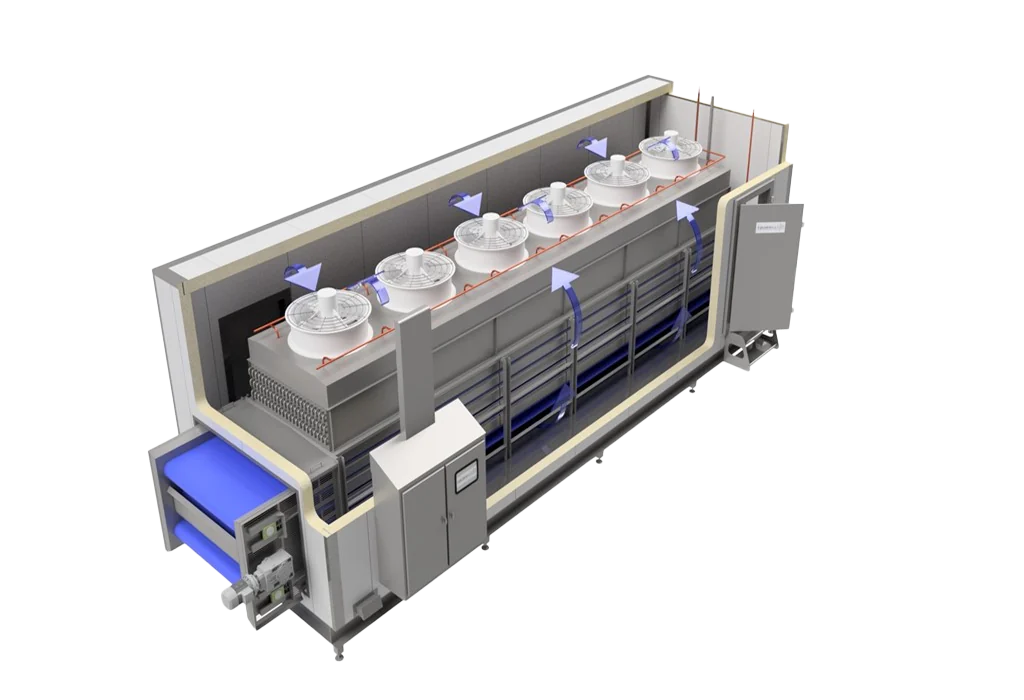 TM
Review low-temperature conditions, product support, open area, transfer points and cleaning requirements before selecting the structure.
 TM
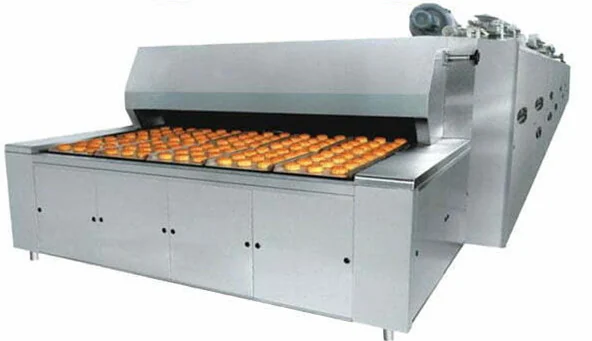
Review operating temperature, product support, airflow, open area and tracking before the belt is specified.
 TM
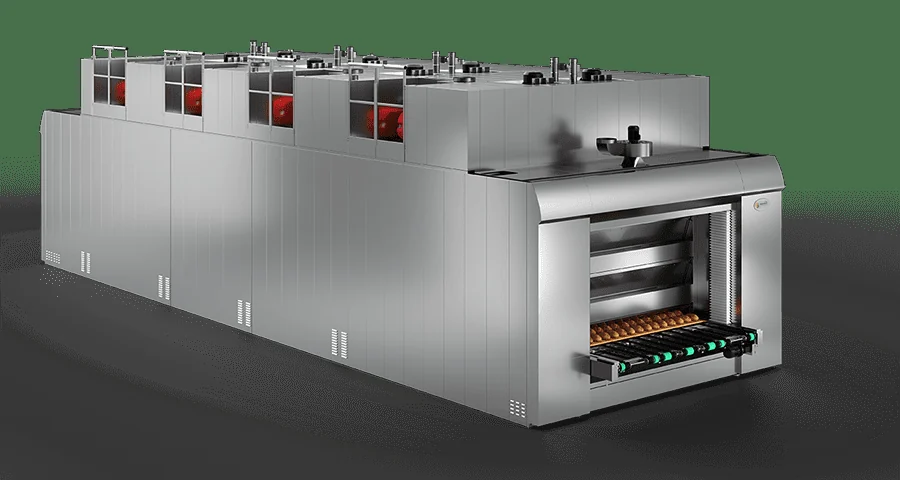
Review heat exposure, belt path, product load, tracking and drive interfaces together.
 TM
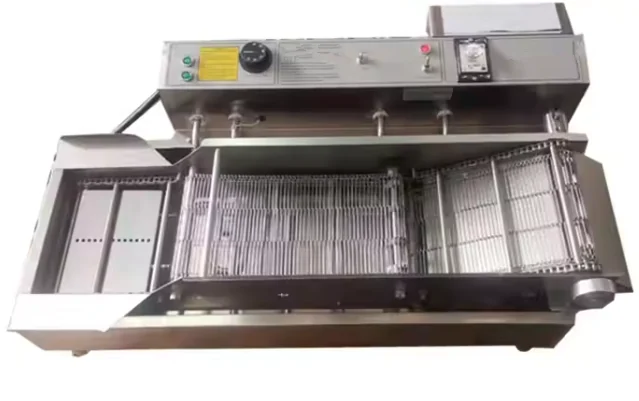
Review oil drainage, product support, heat conditions, transfer points and cleaning access before structure confirmation.
 TM
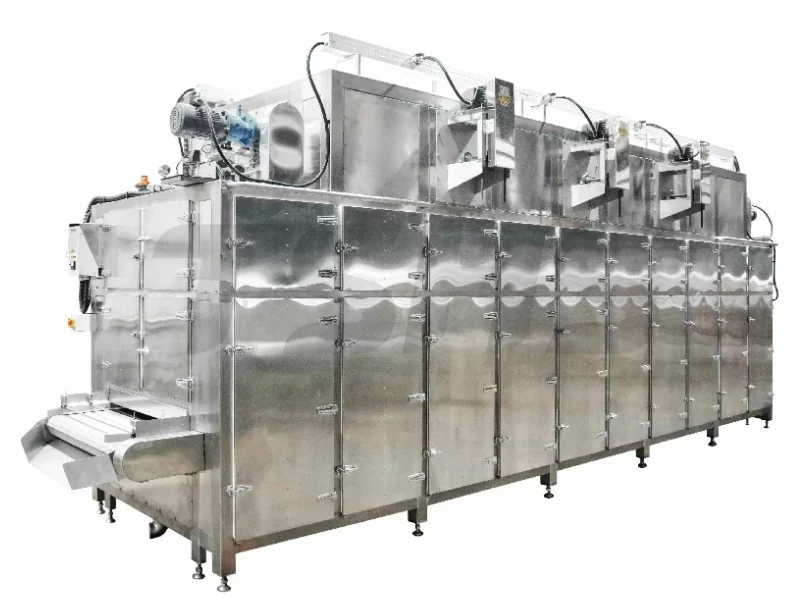
Review airflow, open area, product retention, temperature and belt path to balance process needs with support.
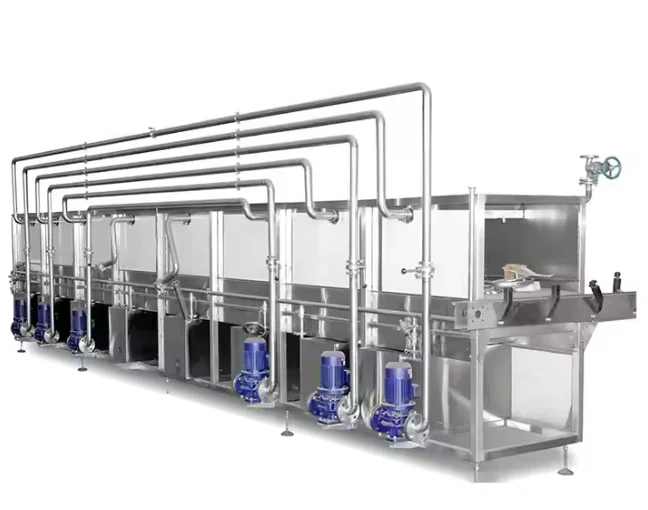 TM
Review drainage, cleaning conditions, product stability, edge structure and drive compatibility for the wet process.
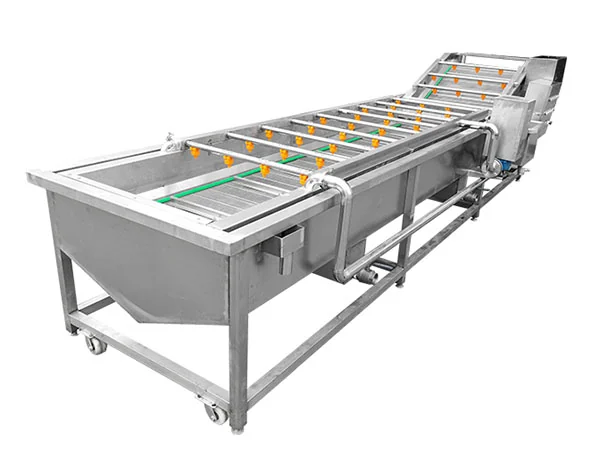 TM
Review drainage, product retention, cleaning conditions and transfer points before the belt structure is selected.
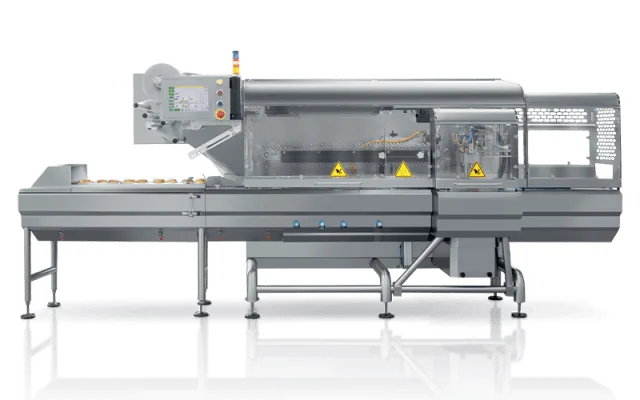 TM
Review pitch, transfer size, tracking and product support against the packaging-line interface.
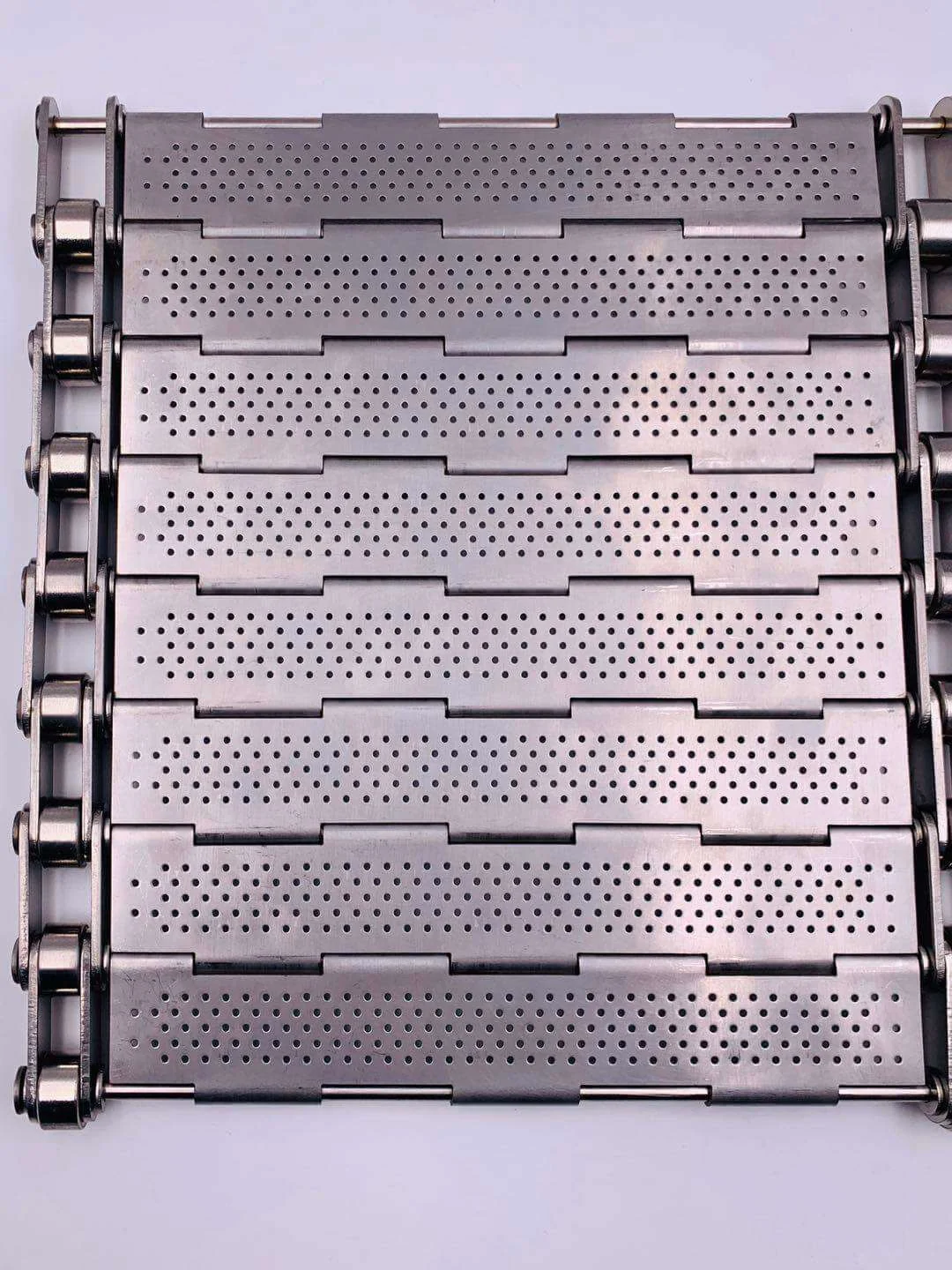
Additional project path: Also used in industrial conveying: Plate Link Belt, Chain-Driven Belt and Sprockets — reviewed by project.
Supply boundary: Images show belt applications. JBL Mesh Belt supplies the belt and related drive components; suitability is reviewed by project.
Production & Inspection Evidence
Follow the existing production footage and inspection images from project input to release. Each checkpoint connects the buyer concern, control action and available evidence to the project record.
Will the supplied material and incoming dimensions match the approved belt specification?
Review material identification and inspect relevant incoming dimensions and surface condition before forming begins.
Incoming-material footage, inspection images and available measurement records.
Helps identify material or initial dimensional differences before they flow into production.
Actual production footage · Select any checkpoint to view its corresponding video.
| Checkpoint | Buyer concern | Control action | Verification evidence | Customer value |
|---|---|---|---|---|
| 01 · Incoming Material Verification | Will the supplied material and incoming dimensions match the approved belt specification? | Review material identification and inspect relevant incoming dimensions and surface condition before forming begins. | Incoming-material footage, inspection images and available measurement records. | Helps identify material or initial dimensional differences before they flow into production. |
| 02 · Forming Parameter Control | Will the formed spiral geometry and pitch remain aligned with the agreed belt structure? | Set forming conditions from the confirmed wire, pitch and belt-structure information, then review the first formed components. | Spiral-forming footage and first-piece measurement evidence. | Makes forming differences visible before they multiply through a production run. |
| 03 · Cross-Rod Dimension Control | Will rod diameter, straightness and prepared length align with belt width and edge design? | Prepare, straighten and check cross rods against the applicable drawing or confirmed specification. | Cross-rod production footage and applicable dimensional checks. | Supports assembly alignment and control of belt-width relationships. |
| 04 · Assembly Verification | Could pitch relationships or visible assembly differences remain hidden until final production? | Review assembly alignment, pitch relationships and visible workmanship before welding and finishing continue. | Semi-finished assembly footage and intermediate inspection images. | Allows differences to be reviewed while the belt is still easier to adjust. |
| 05 · Pre-Production Sample Check | Will production follow the drawing, sample or project information approved for the job? | Compare the pre-production sample with critical dimensions and project requirements before batch continuation. | Sample-inspection footage, comparison images and applicable dimension records. | Creates a visible checkpoint before more material and production time are committed. |
| 06 · Welding & Edge Control | Could weld position, burrs or inconsistent edge details affect installation, cleaning or travel? | Review weld position, visible finish, attachments and applicable edge details during welding operations. | Welding footage plus close-up weld and edge inspection images. | Helps identify installation interference and visible edge differences before release. |
| 07 · Running / Engagement Validation | Will the belt turn, engage or stack under the project-specific drive conditions? | Perform the applicable drum-running, turning or engagement check according to belt type and available equipment information. | Running-test footage showing movement and belt behavior. | Provides visible movement evidence before shipment where the project allows this check. |
| 08 · In-Process Inspection Records | How is alignment checked after the first sample is reviewed? | Record relevant measurements and observations at defined checkpoints during production. | In-process inspection footage, measurement images and identified records. | Supports traceability and gives repeat orders a clearer production reference. |
| 09 · Surface Treatment & Cleaning | Will the delivered surface condition align with the application and agreed cleaning requirement? | Apply and review the specified cleaning or surface-treatment process where the project requires it. | Surface-treatment and cleaning footage with final surface images. | Connects surface preparation to the actual application and project requirement. |
| 10 · Final Specification Verification | Will the released belt still align with the approved dimensions, structure and quantity? | Recheck applicable critical items against the approved project basis before shipment release. | Final-inspection footage, measurements and finished-product images. | Gives the buyer a final verification point before the crate is closed. |
| 11 · Packaging & Release Documentation | Will the belt be protected, identified and easier to verify when it arrives? | Prepare project-appropriate protection, identification, quantity information and shipment documentation. | Packaging footage, crate images and available shipment or batch information. | Supports receiving checks, transport protection and future repeat-supply reference. |
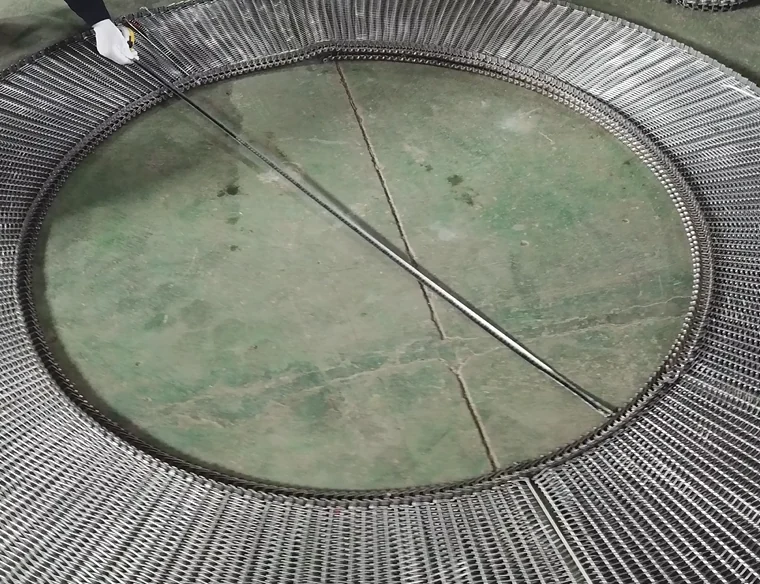 TM
Compare available material identification with the project requirement.
 TM
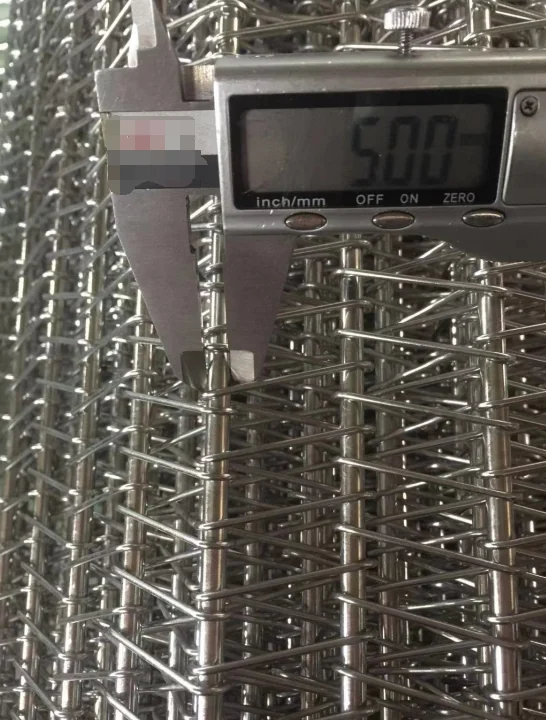
Record applicable diameters against confirmed project information.
 TM
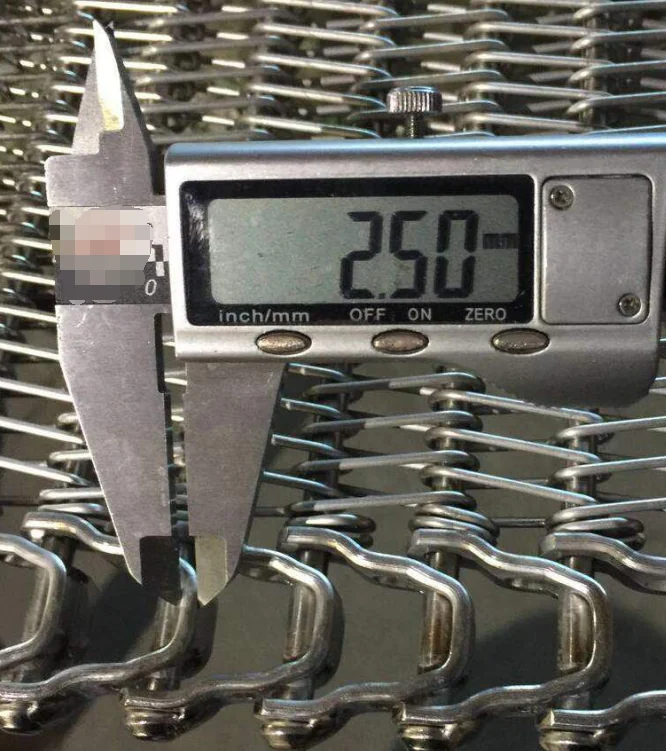
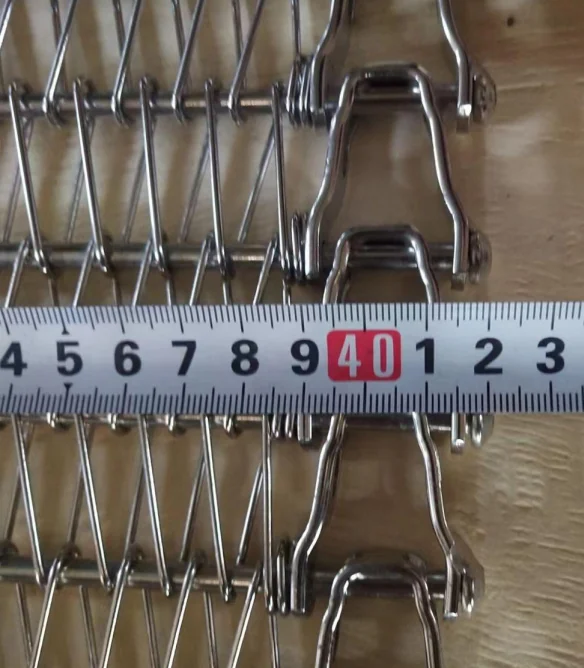
Check pitch and opening at defined measurement points.
 TM
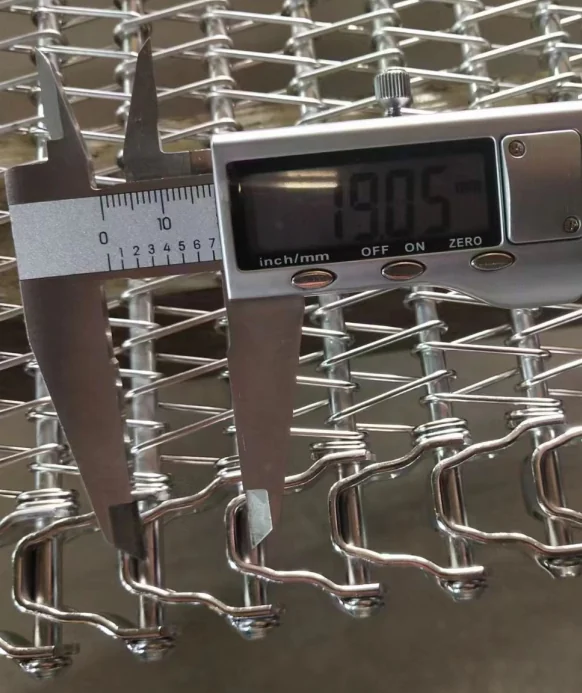
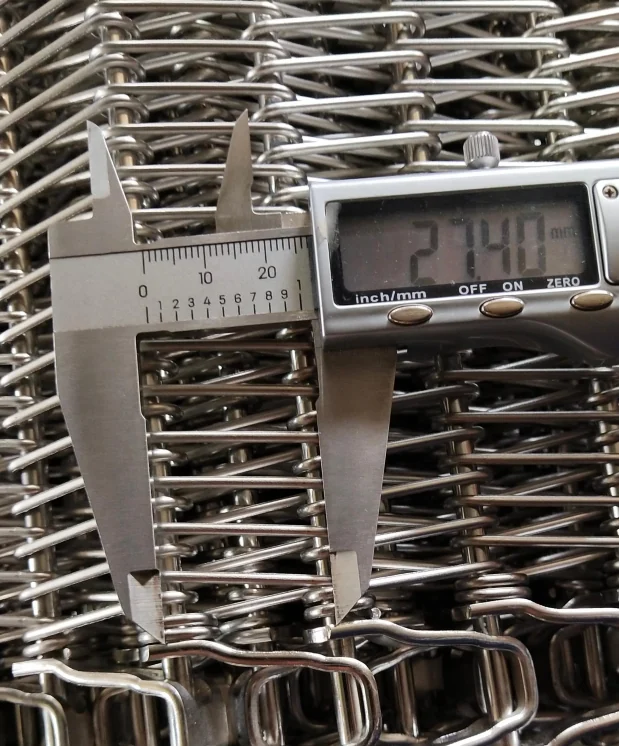
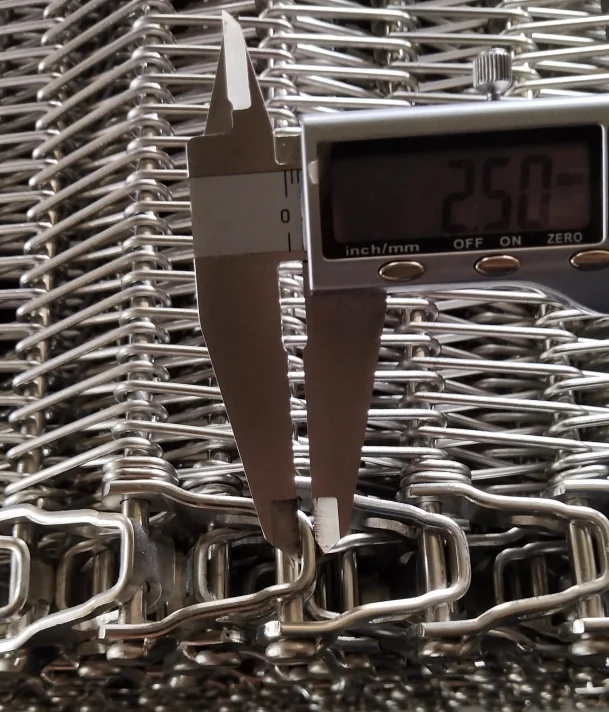
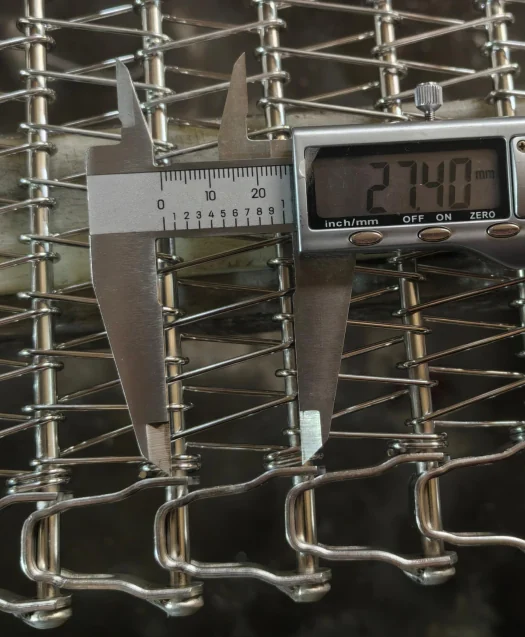
Verify critical dimensions against the approved drawing or sample.
 TM
Review edge structure, position and clearances where applicable.
 TM
Inspect applicable weld position and visible condition.
 TM
Review engagement and equipment interfaces where applicable.
 TM
Record project-specific running or engagement checks.
 TM
Review surface condition after the applicable finishing stage.
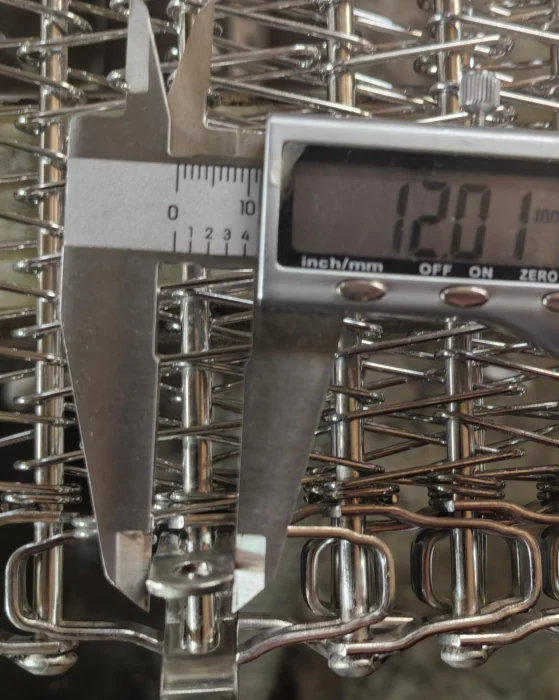 TM
Record quantity, identification, protection and shipment information.
For open projects, the weekly status update is issued each Thursday with current progress, pending inputs and next actions.
Project Evidence
The records below show the kinds of visible evidence used during review. No unnamed praise, invented result or unverified project number is added.
Verified Replacement Project
An existing-equipment replacement project reviewed around the confirmed Spiral Freezer Belt requirement.
“So far everything is good, the installation went well and it runs very well.”
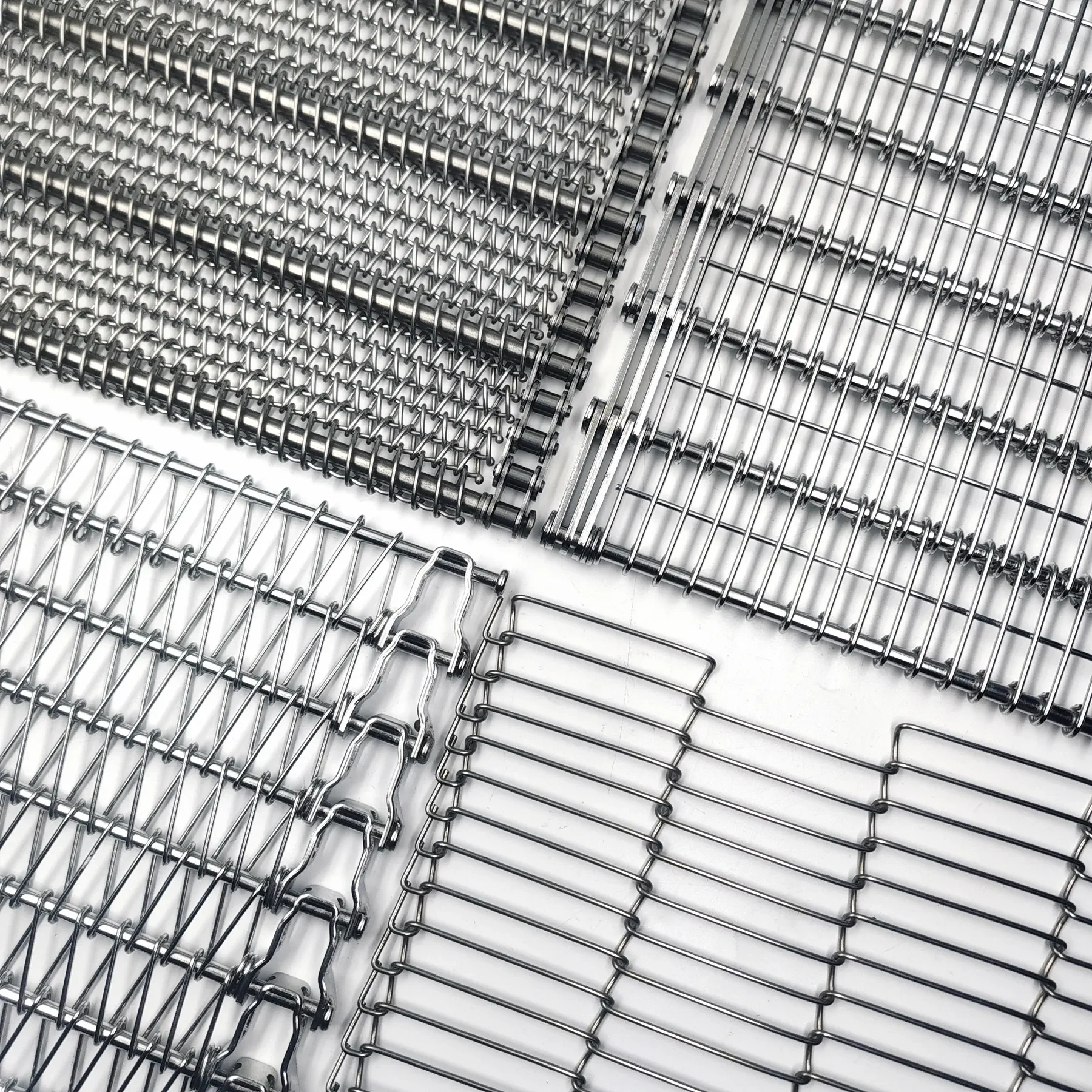 TMRelated review evidence — not customer-site imagery
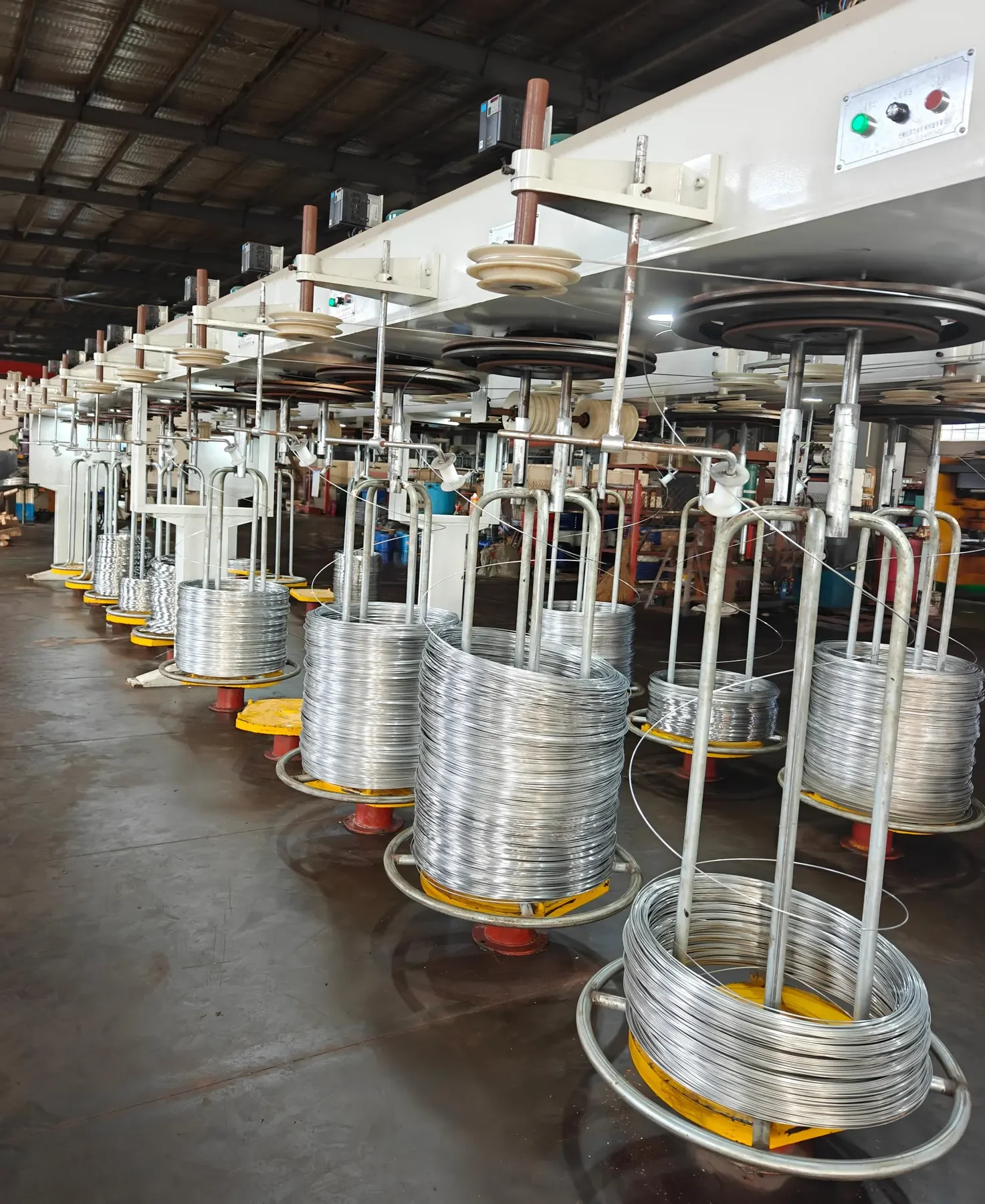 TM
Available material and production input images can be tied to the applicable belt specification and project record.
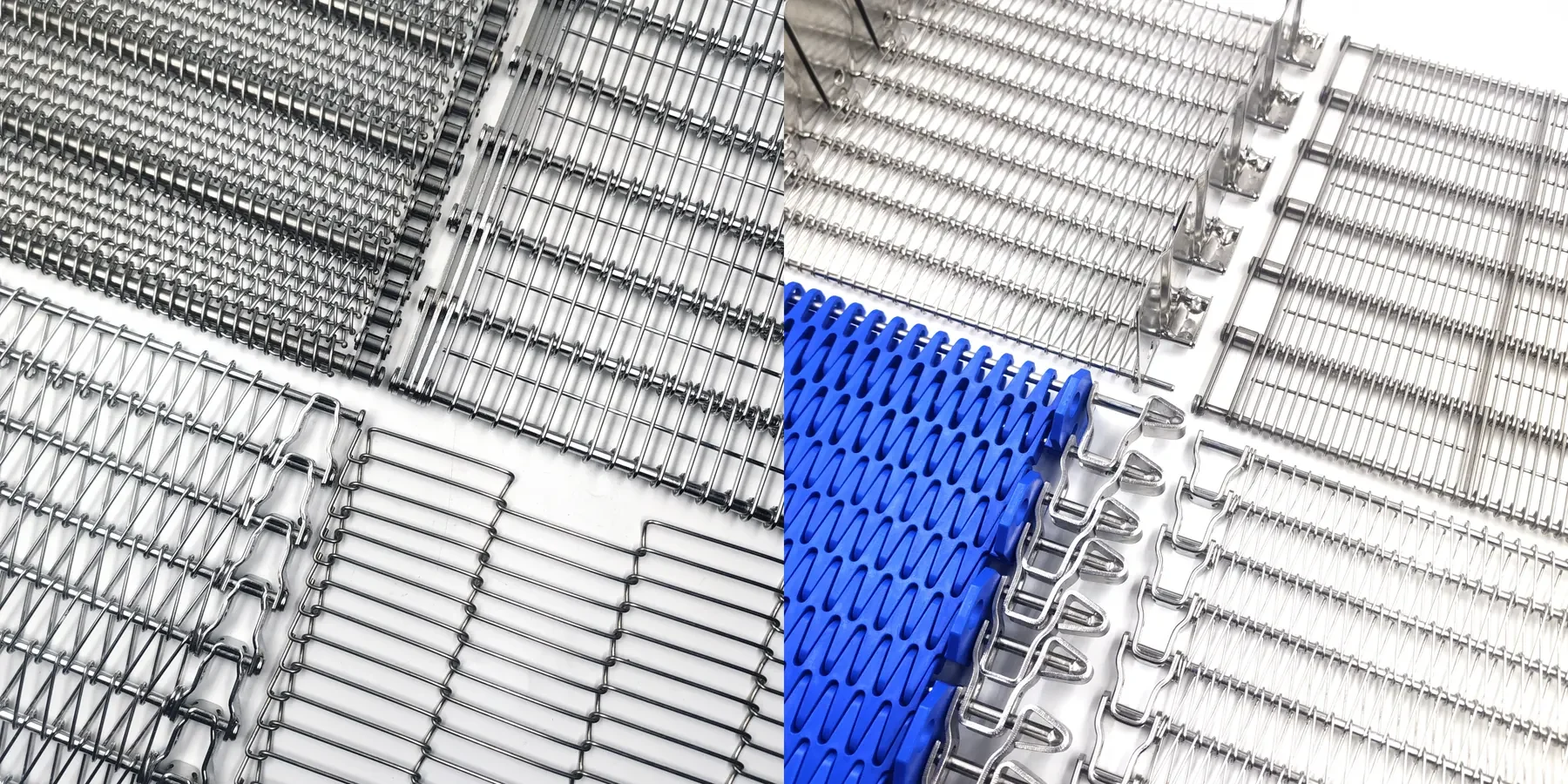 TM
Existing-belt information, equipment interfaces and critical dimensions are reviewed before a replacement specification is confirmed.
TMApplicable finished-product images and checks provide a visible release reference for the project and repeat supply.
Verified Buyer Feedback
Only available feedback videos are shown in this preview. Written praise, customer identity and performance claims remain hidden unless their public evidence is confirmed.
Verified Buyer Feedback
Public excerpts are limited to verified source wording. Customer identity and confidential project details are removed before any image is placed in the web folder.
“So far everything is good, the installation went well and it runs very well.”
Existing-equipment replacement · Spiral Freezer Belt · 880 m.
Customer identity and confidential project details redacted.
“The 220 meters [brand redacted] self-stacking belt was installed in mid of July. The spiral freezer has been running well since then, and there have been no problems so far.”
Redacted email excerpt.
Customer identity and confidential project details redacted.
“seem really happy with it.”
“Said it felt much heavier duty than what they get direct from the states.”
“Do you have enough material to make another set of these?”
A distributor relaying end-customer feedback.
Customer identity and confidential project details redacted.
“JBL’s product range, quality and excellent communication make doing business simple and stress free. 😊”
Verified buyer email excerpt.
Customer identity and confidential project details redacted.
“What a fantastic job in presentation of the belt specifications, well done 😊”
Verified specification-review email excerpt.
Customer identity and confidential project details redacted.
“Excellent service from your team”
Verified buyer email excerpt.
Customer identity and confidential project details redacted.
Frequently Asked Questions
A clear photo can help start identification. For a replacement specification, we also review available drawings, samples, equipment information and critical dimensions before confirmation.
Start with old belt photos, the equipment model or drawing, known dimensions, operating conditions such as product and temperature, and the required quantity. If only a photo is available, send it first and the missing inputs can be identified during the review.
We compare the application, belt structure, drive and equipment interfaces, running direction, critical dimensions and operating conditions using the available technical information. Final suitability is confirmed by project.
Custom specifications are available to suit your equipment and application requirements. Final structure, materials, dimensions and configuration are confirmed against the project information and approved drawing or sample.
Visit the JBL Mesh Belt Knowledge Center for technical guidance on belt selection, replacement preparation, specification information and common buyer questions.
Send Belt Details
Start with what you have. A clear photo can begin the review, and missing inputs can be identified as the project is discussed.
Photos are used for identification and review; the final specification is confirmed against drawings, samples and equipment information.
Document Library
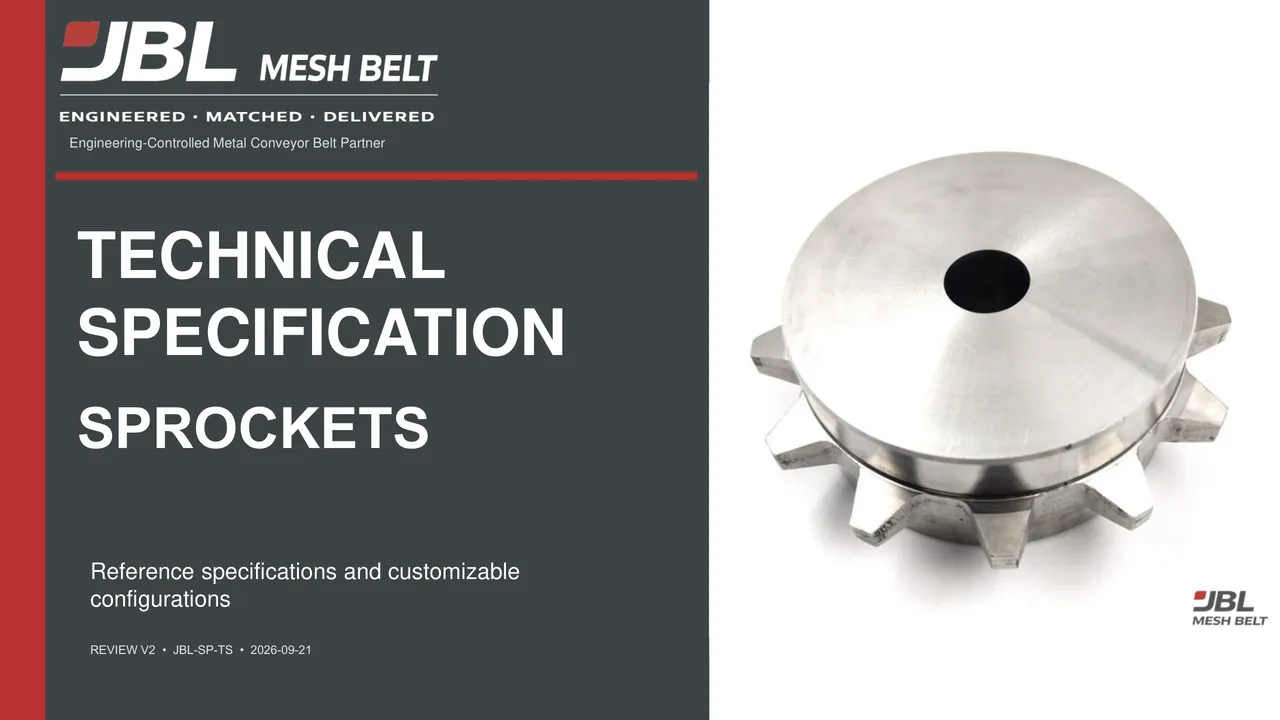
Compare pitch, wire, edge, surface and sprocket options with your equipment before you send a drawing or old-belt photos. 13 technical specifications and 11 production and quality control documents for JBL metal conveyor belts and sprockets, page by page on your phone or computer.
Engineering review
Not sure which specification fits your line?
Send your drawing or old-belt photos on WhatsApp. We compare them with the specification and tell you what still needs to be measured.